Love is In the Air — Valentine’s Day At Your Studio
Valentine's Day does not typically get much attention at dance studios... Why not make this holiday an event at your studio? Here are a few lovely ideas!
Sunday Snapshot: Athletes of God
Dance, at its best is an act of creation that expresses something of the inner qualities of its maker, its participants, and its audience.
Tap away those summertime blues…
Tap festivals are everywhere and are probably coming to a city near you! Check out this great list of North American and international festivals.
For Students
Prospective college students have a lot of questions! Of course you do! You are making important decisions regarding your future. Not to mention the transition from high school to a university is one of the largest leaps you’ll ever take. Here’s a look at two websites that I think any aspiring dance major should pay a visit.
En dehors and en dedans! Frequently misspelled and endlessly confused, let’s go over these dance directions! A bird’s eye view helps to illustrate the sometimes puzzling terminology.
It is extremely important that someone working toward oversplits spend equal (if not more) time on strengthening and stabilizing the hips and core of the body. If you ignore signals that you are pushing too hard or too far, you may be hindering or halting any current progress you’ve made in your flexibility. You may even be sacrificing joint stability and overall joint health, perhaps ending your career early or causing problems later in life.
When it comes to stretching and splits some dancers place intense emphasis on achieving the ideal static position, forgetting that this type of flexibility is only part of the picture. They compromise the health of their instrument – the body – as they push to extremes to get results, and get results fast.
The iliopsoas is the only muscle (well, technically group of muscles) that attaches to the spine, pelvis, and femur (or, thigh). The three muscles which make up the iliopsoas are deep, running very near the spine and beneath other major muscle groups. Therefore, awareness of the iliopsoas must come through visualization.
If you are an older adult and find these videos inspiring, let me assure you that it’s never too late to get moving… literally. However there are some things you may want to take into consideration before diving into dance.
Do you have an interest in taking your dancing to the professional level? Here are some inside tips on what you need to survive in your career as a professional dancer.
Ballet Comique de la Reine (1581) was choreographed by Balthasar de Beaujoyeux and is credited as the first ballet because it had a central story around which sets, costumes, and music were built. Ballets de cour peaked during the reign of Louis XIV, who was passionate about dance and its artistry.
Read More Posts From This CategoryFor Teachers/Studio Owners
I was immediately drawn to the material over at Move. Create. Educate for its emphasis on creative movement for young children and began interacting with Maria, the teacher and blogger behind it all.
With the exception of ballroom or social dance schools, it’s not typically a holiday that gets much attention at dance studios… a candy heart here, a Valentine for the teacher there…
Why not make Valentine’s Day an event in your studio?
Here are a few lovely ideas!
If you are working with a group and finding that the students have missed some important information along the way, it is not too late to get back to basics and back on track. You can do so without making the students feel like they’ve been demoted to Dance 101.
Tap away those summertime blues…
Tap festivals are everywhere and are probably coming to a city near you! These fabulous wood-shedding events allow tap dancers of all ages, levels, and backgrounds to meet together and share in a non-judgmental and nurturing environment. Hoofers are honored at nearly every fest, giving young dancers exposure to the greats – the masters perform and teach in an intimate setting at most events.
In 2004, Houston Dance Critic Molly Glentzer in her review of the book for Dance Magazine stated, “Li’s tenacity is an inspiring lesson to any reader, dancer or not. It’s the stuff of which great movies are made. Expect this one soon, and bring Kleenex. But read the book first.” A handful of years later, Li’s story is now a motion picture. It has already done well in Australia but unfortunately distribution in the U.S. is still speculative.
When I teach dance I always start with the concept of space. It doesn’t matter if I am teaching 3 year olds or 63 year olds, space to me is a blank canvas. And I want to teach my students how to fill it.
January is a great time to take a little time out to guide students in setting goals and planning how they’ll achieve them.
I’m probably a great example of some of the moms at your studio I suppose, who can barely find the time to get the lunches packed and get to school on time. Let alone read the many papers and emails and notices that come home on a regular basis. Here’s just a few reasons why:
Read More Posts From This CategoryFor Parents
If you are hoping to discuss changes with a teacher or director, follow this plan for making your approach. 1. Take a breath 2. Develop an argument 3. Time your approach 4. Buffer your complaint 5. Be willing to listen 6. Be willing to walk away
Versatility is the real strength of Up, Down, & All Around. Parents (or educators) with little experience can pop in the DVD and get every member of the family or classroom up and moving in no time, yet there are opportunities for new discoveries and learning with repeat viewings.
Appropriate class material is essential for engaging young dancers. Consider the structure and style of your child’s dance class and its teacher before deciding that dance isn’t right for your preschooler.
Is a preschooler too young to be expected to listen? What can I do if my child isn’t following directions in dance class? Is this a developmental phase? Your questions answered in part one of two articles.
Blogger, Vicki Nelson recently did a three-part series about “Helicopter Parents.” As I read the articles, the dreaded term “stage mom” came to mind. Parents of university-bound students are not the only ones who “hover.”
A collection of past articles on Dance Advantage that are particularly useful for parents of dancers.
#responsiblesports asks “As a parent, how do you encourage and reinforce the positive aspects of youth sports?”
Its focus is on arming the parents of college students with the tools they need to assist their college student. The information within, though, is just as relevant for students who wish to prepare themselves for what lies ahead.
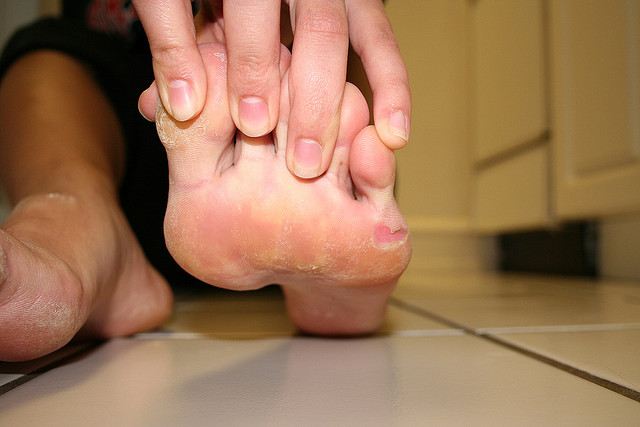
It is normal to have temporary muscle soreness after a challenging class or when working in a new way. Often small injuries become more severe because proper care is not administered early or because dancers continue self-care despite warning signs that more specialized care may be necessary.
Recitals can be hectic and stressful for those trying to make the day/evening go off without a hitch. Adhering to these rules helps a performance run smoothly for you and the others around you.
Read More Posts From This Category


4dancers
Inside Ballet Technique
move.create.educate